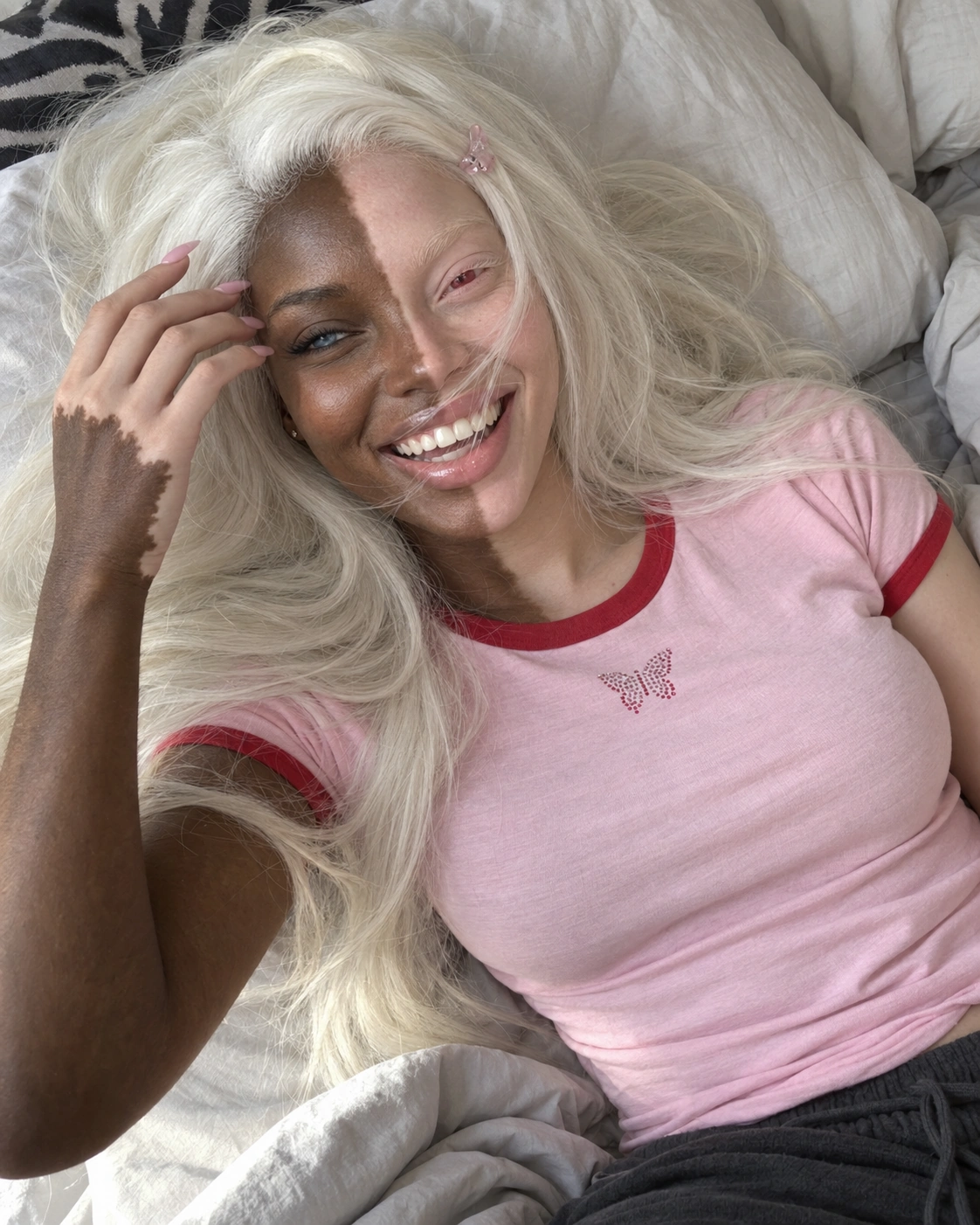
A few pages from home.
My story begins in Japan, with a Japanese mother and a Nigerian father. These photographs belong to the part of my life that came before anyone knew my songs.
I was born in Japan. My mother is Japanese, from Osaka. My father is Nigerian. Their love was not accepted easily. Even before I was born, people already had opinions about them — about their marriage, about what kind of child they would have, about where I would belong.
Then I arrived: a mixed girl in a world that often wants people to fit into one simple answer. My early childhood was not easy, but for a while, it was still a childhood. There was my mother, there was home, there was music, there was movement, there were small ordinary moments that felt safe.
Then my father left. I was still little — too young to understand all the adult reasons, but old enough to feel the absence. One day there was a father, and then there was a space where he used to be. Something inside me changed after that.
Soon after, my appearance began to change too. When I was around five or six, white patches started appearing on my skin. The condition also affected my eyes. My eyesight became worse over time, which is why I often wear contact lenses. Doctors never gave my family one clear answer. For me, it was never just a medical condition — it became emotional, social and deeply personal.
I do not remember the first white patch. I remember the staring. Children asking what was wrong with me. Adults looking for too long. The feeling of being examined before being known. Coming home from school and pretending everything was fine, because I did not want to make my mother cry again.
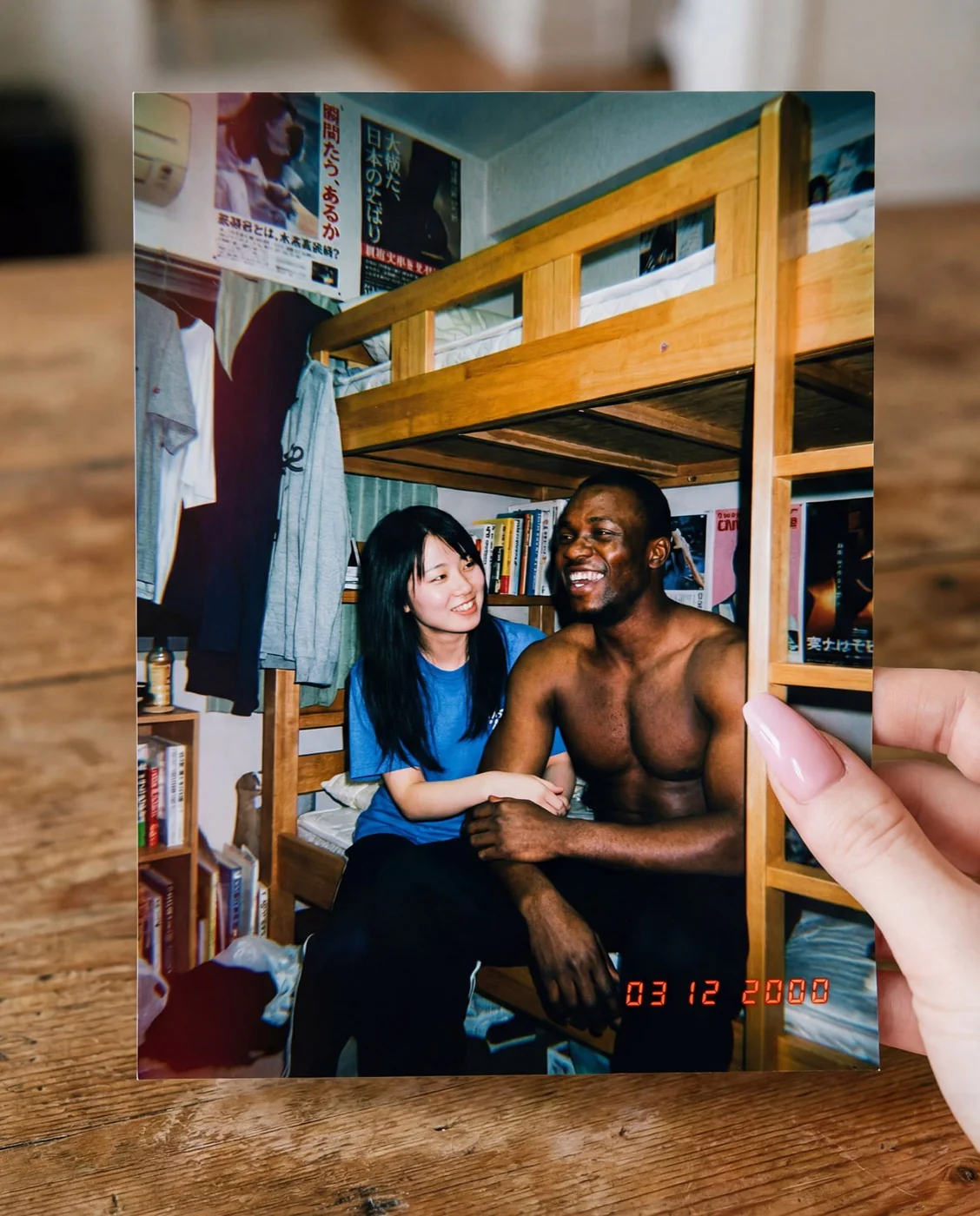
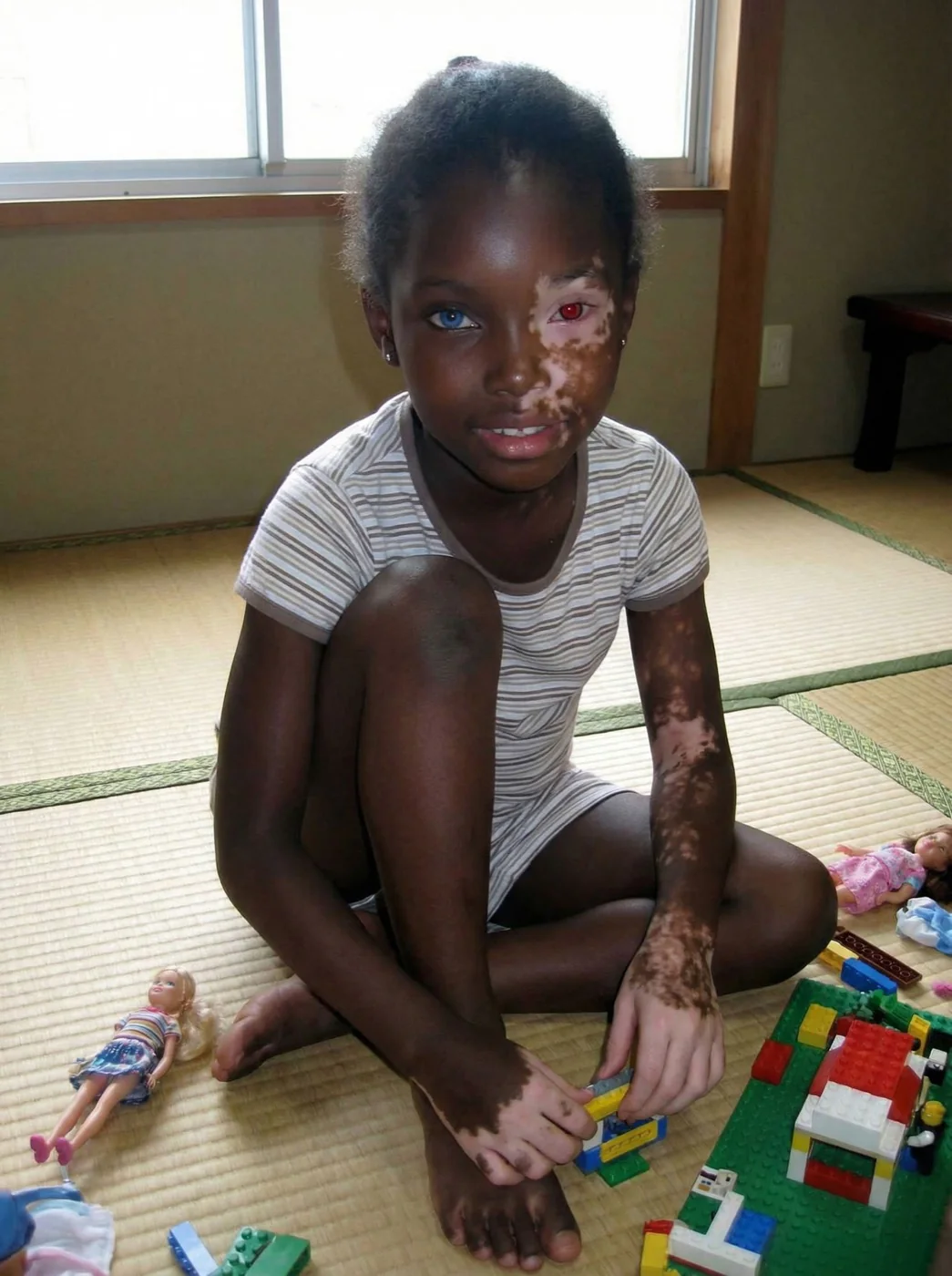
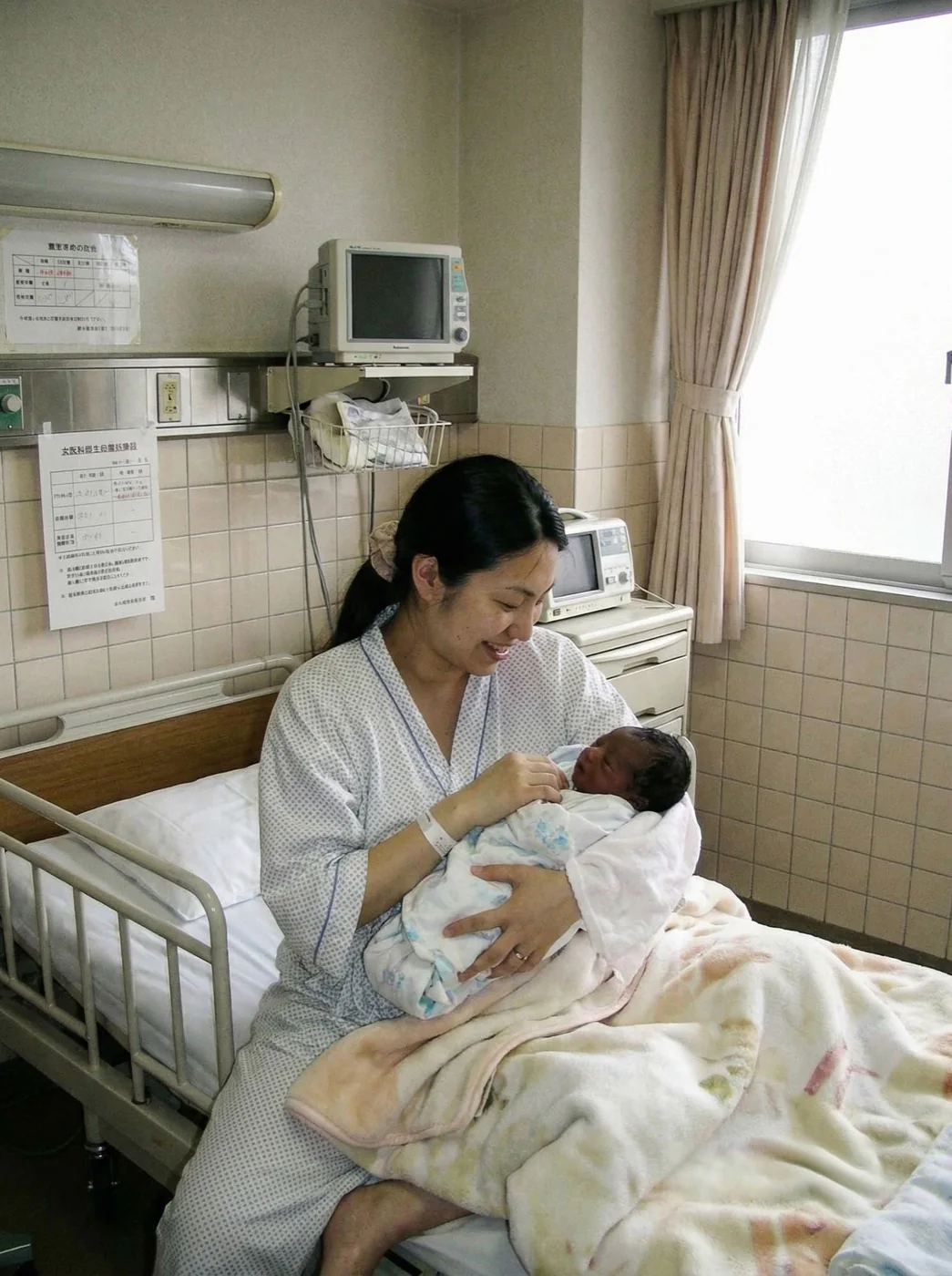
A photograph from home
Me with my mother,
shortly after I was born.
Before the songs and the stage, there was this small room in Japan — my mother holding me close.
Something worth keeping.
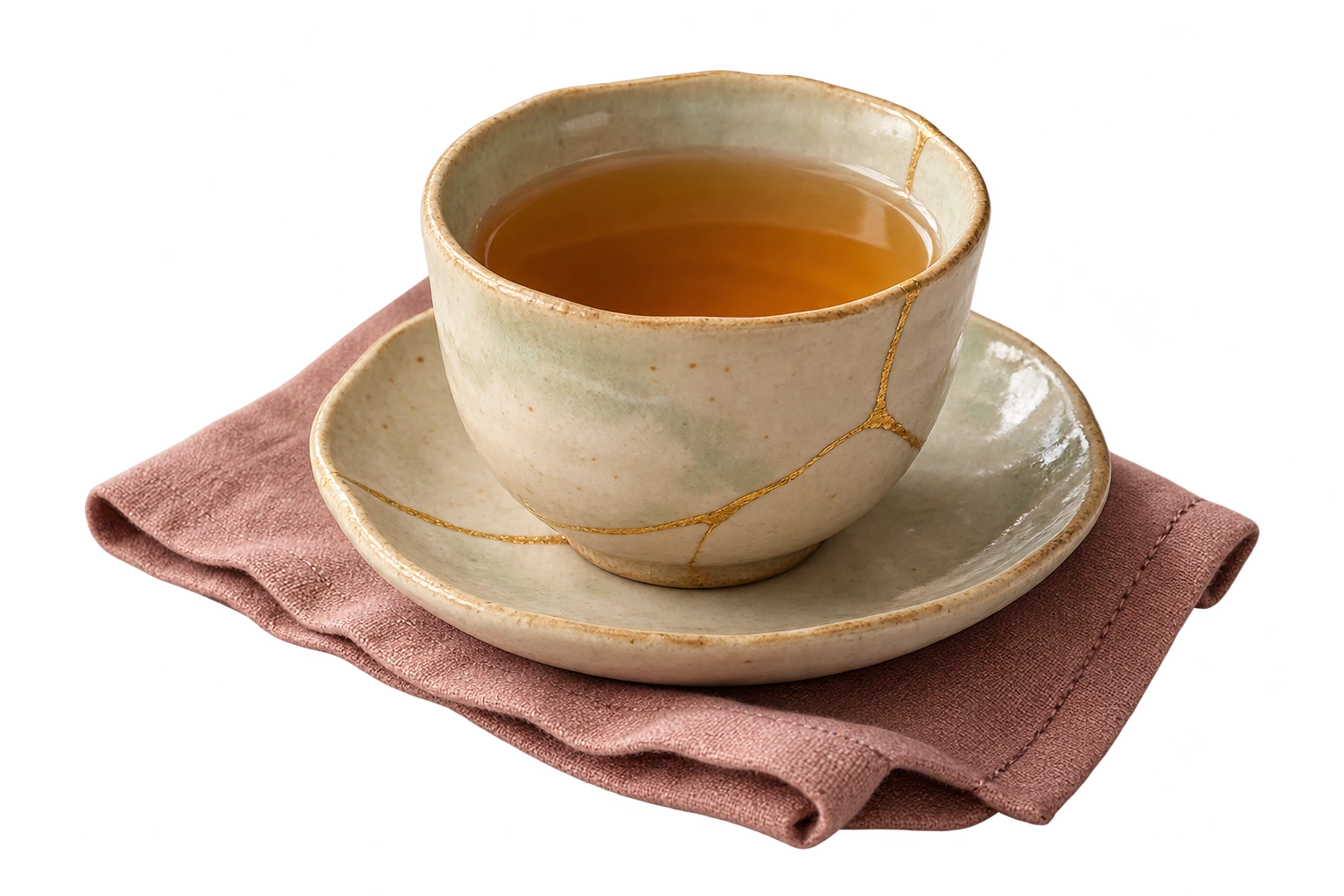
One day, my mother showed me a cracked cup repaired with gold. She called it kintsugi, the Japanese art of repairing broken ceramics with visible golden seams. Instead of hiding the crack, kintsugi makes it part of the object’s beauty.
“Kintsugi Skin.
Let this become your
beauty, Eva.”
I was too young to fully understand it then. Now I do. Kintsugi Skin became more than a childhood memory — it became part of my identity. It is not about perfection. It is not about hiding. It is not about pretending the crack was never there. It is about the visible marks that make a person impossible to copy.
My appearance carries contrast, fragility, strength and tension at the same time. That duality became central to my art: softness and power, vulnerability and control, beauty and discomfort, fantasy and something deeply human.
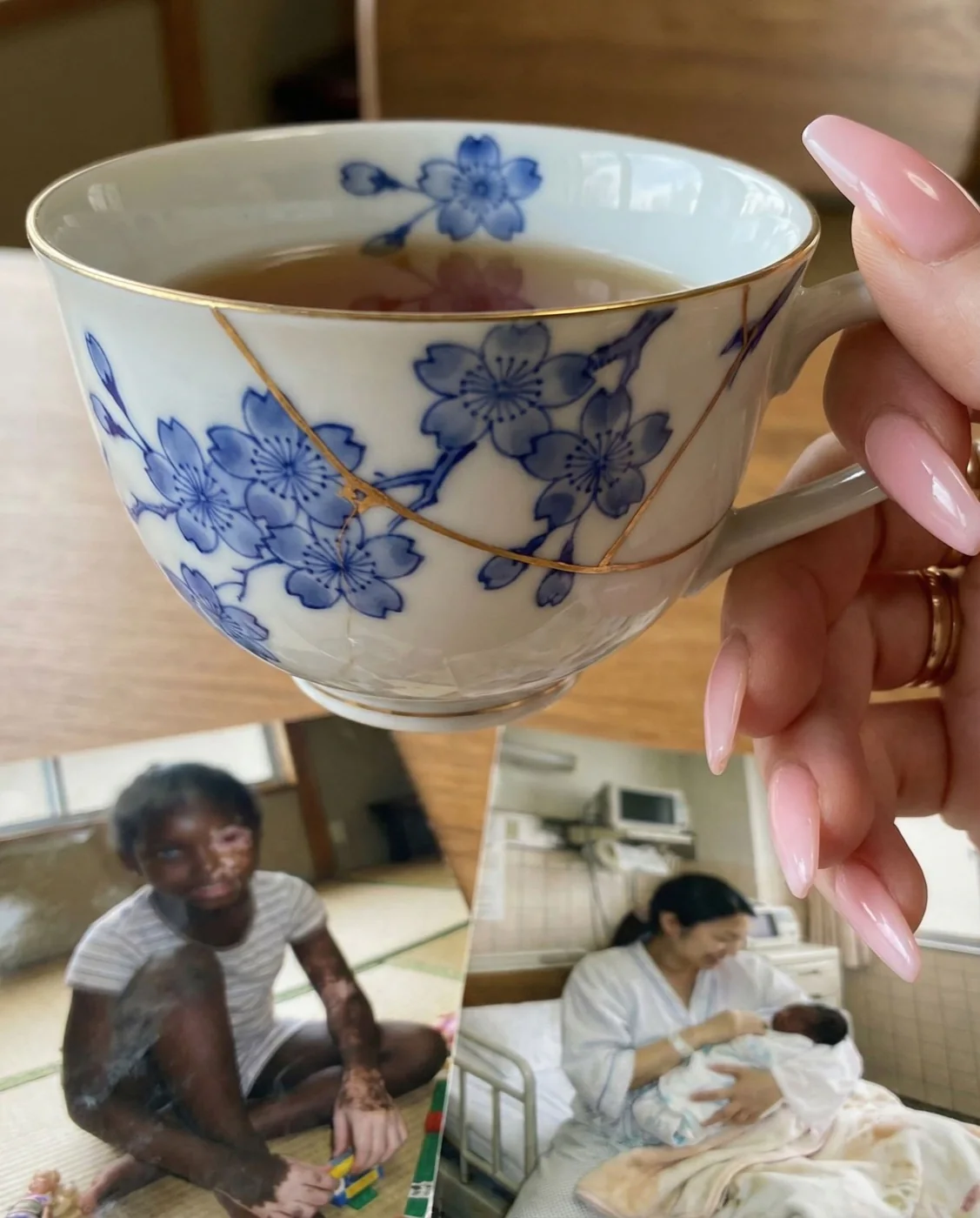
Dance as freedom.
Dance became one of the first places where I felt free. My mother put me into classes hoping it would help with my insecurity. But dance gave me more than confidence — it gave me a language before music did.
When I danced, people still looked. But something was different. No pity. No cruel curiosity. No whispering. Just attention. Maybe even admiration. For the first time, my body did not feel like a problem. It became expression, rhythm, control, emotion and power.
That feeling stayed with me. Today, movement is one of the foundations of my work. I do not separate music from visuals — for me, a song is not only something you hear. It is something you can see, move through and remember.
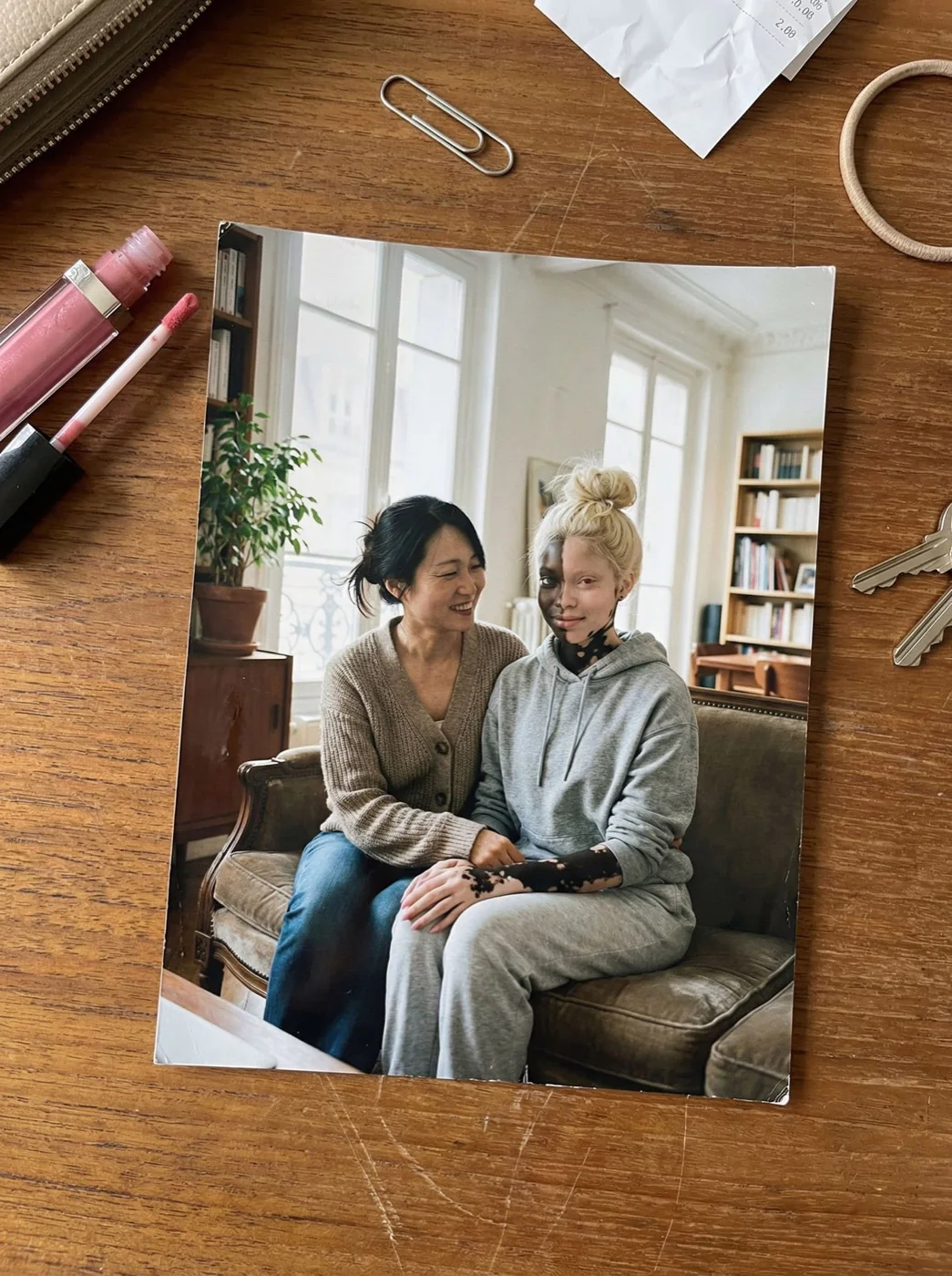
I found a way to let it out.
My music is cinematic pop built for movement — shaped by Afrobeats, amapiano, dancehall and alt-R&B, but never confined to one genre. My songs move through pressure, desire, self-possession and the strange intensity of being watched by the world.
Music gives me somewhere to begin, especially with feelings I find difficult to explain. Each release is part of the same artistic universe: music, choreography, fashion, emotion and a visual identity that continues to evolve.
Come into the music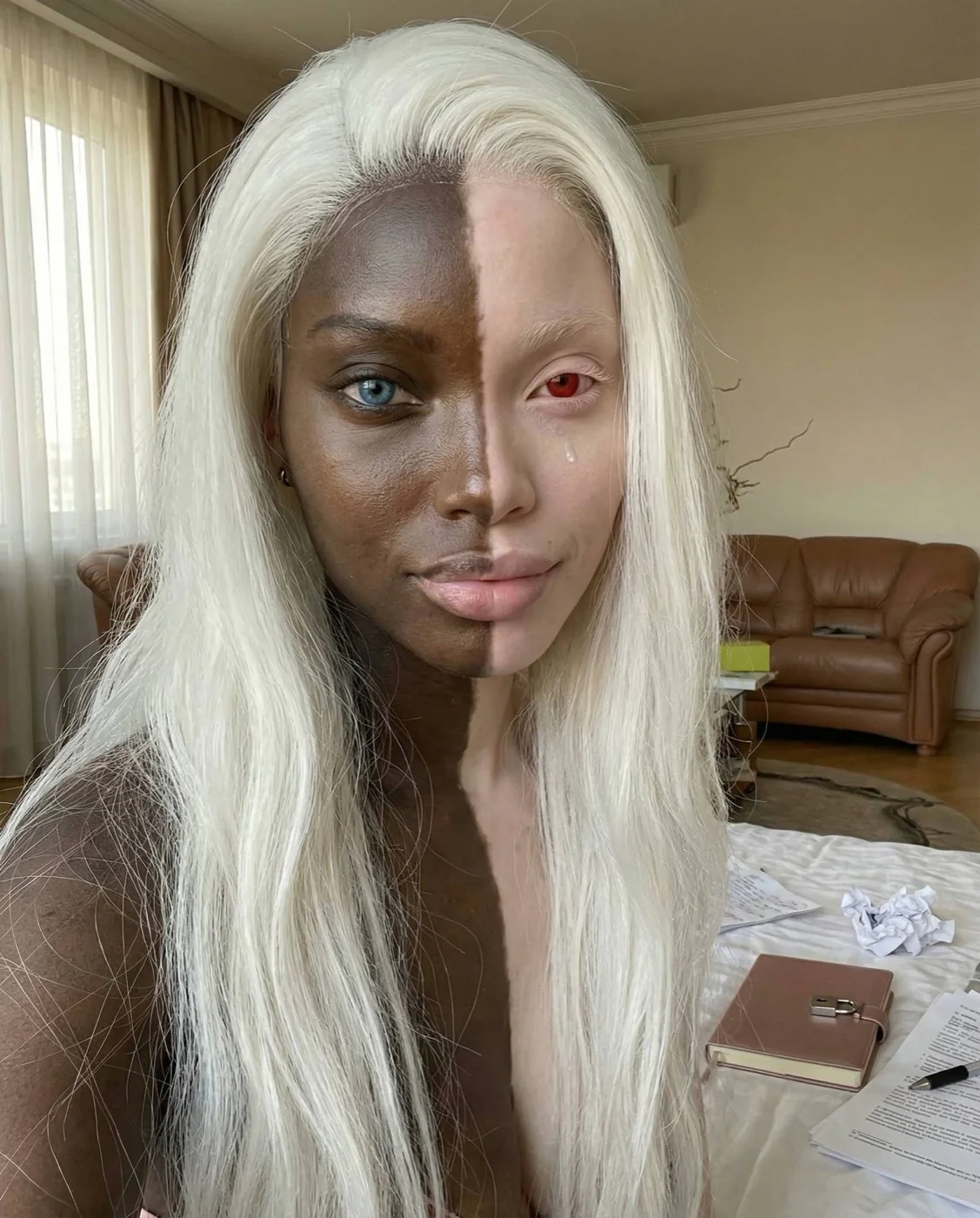
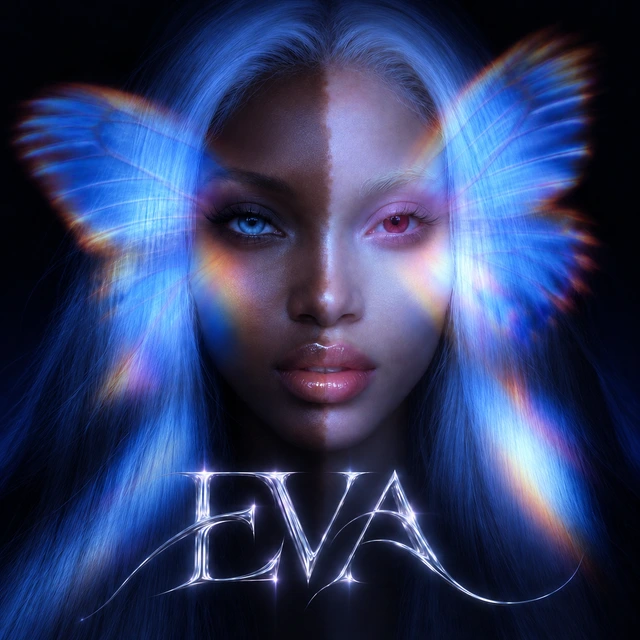
EVA
My debut EP gathers four intimate songs into one continuous visual chapter — closeness, longing and the moment my reflection stops behaving like one.
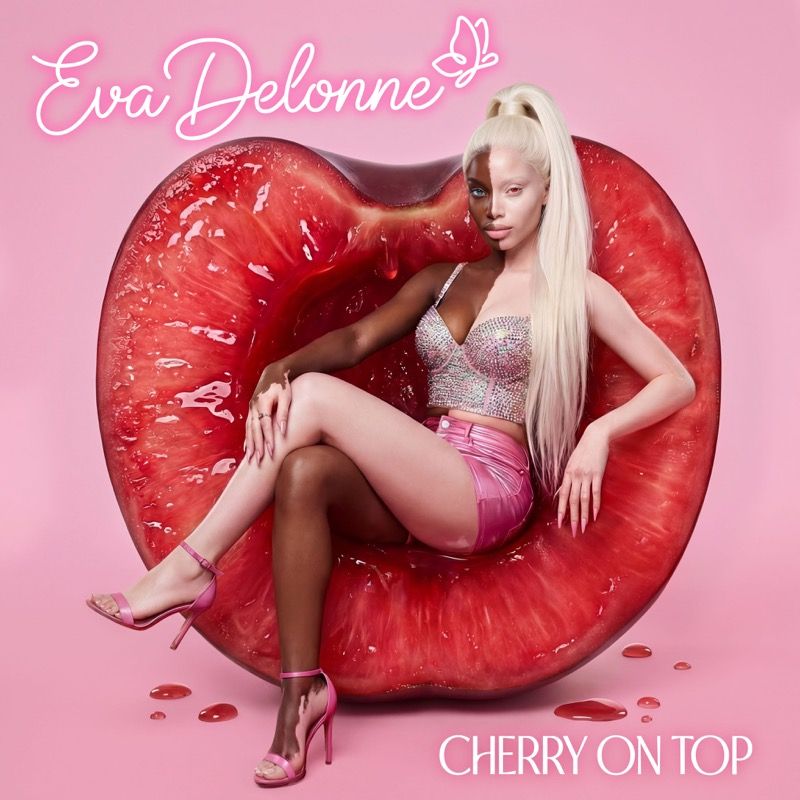
Cherry on Top
My Afrobeats × dancehall × alt-R&B answer to the constant noise about my identity — delivered quietly, with a smile.
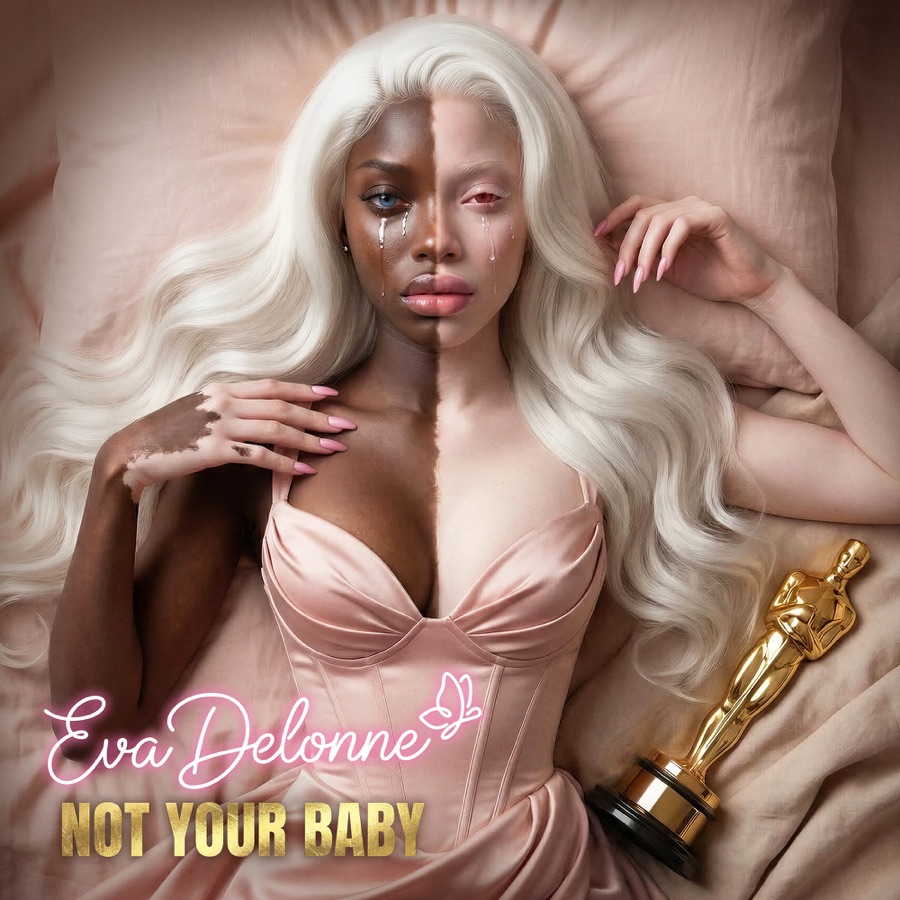
Not Your Baby
Afrobeats meets amapiano as I stop explaining myself and set the terms. Not a threat. Not a plea. Just a correction.
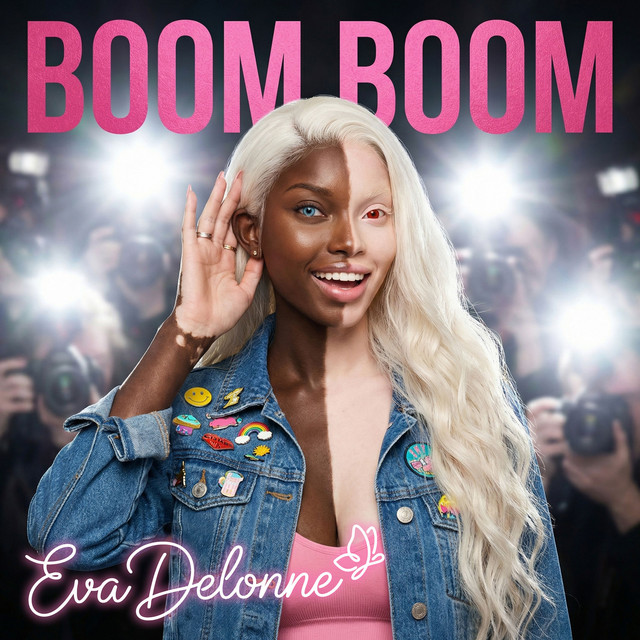
Boom Boom
A slow Latina dancehall riddim with warm bass, a heavy kick and one uncomfortable truth I say out loud.
What I stand for.
My story is not about asking for pity. It is about being seen without being reduced to my appearance. For most of my life, people looked at my skin before they listened to my voice. They tried to question me, explain me, exoticize me, doubt me, turn me into a debate. But my message has always been bigger than that.
Every skin color deserves to be seen.
Every identity deserves to be recognized.
Every person deserves to exist without being treated like a mistake, a mystery or a problem to solve.
I believe beauty should not belong to one narrow standard. It can be soft, strange, bright, mixed, imperfect, powerful — and still completely worthy. My fight is not over. People still argue about how I look, where I come from, what I am. But maybe that says more about the world than it says about me.
Because the first question should not be “Why do I look like this?” The better question is “What am I bringing into the world?” I bring music, movement, feeling, courage and a visual language for people who have ever felt watched, judged or misunderstood. I am not here to fit into someone else’s idea of beauty. I am here to expand it.
The little things that matter
Things I care about.
How we treat each other
I care about how we speak to each other, especially when we disagree. Being honest matters to me. So does remembering there’s someone listening.
Knowing when to say no
If I need a little time, I’m learning to ask for it. Caring about someone doesn’t mean I have to say yes to everything.
Enjoying ordinary days
I want to leave room for pleasure in ordinary days. A song, a beautiful outfit, a good laugh shouldn’t have to wait until everything else is sorted.
Still becoming.
I do not try to be perfect.
I turn contrast into beauty.
I turn pressure into movement.
I turn being watched into performance.
I turn pain into something people can feel.
My story began with a girl who wanted to disappear from the gaze of the world. My art begins where that girl stops hiding.
I am still becoming. Still fighting. Still learning how to carry every part of myself without apology: my Japanese mother who stayed, my Nigerian father who left, the child in me who felt abandoned, the woman in me who decided not to disappear, and the artist in me who turned my own skin into a language.
Maybe that is why people keep looking. Not because they have solved me. Because I keep becoming more impossible to reduce.
A few clear answers
About me.
Who am I?
I’m Eva Delonne, a singer, dancer and visual artist known for my pop music, expressive choreography, cinematic visuals and distinctive Kintsugi Skin identity.
Where am I from?
I was born in Japan. My mother is Japanese, from Osaka, and my father is Nigerian.
What kind of music do I make?
I make cinematic pop shaped by Afrobeats, amapiano, dancehall and alt-R&B. My catalog includes the debut EP EVA alongside my earlier singles.
What does Kintsugi Skin mean to me?
Kintsugi Skin comes from the Japanese art of kintsugi, where broken ceramics are repaired with visible golden seams. For me, it represents turning visible difference into beauty and strength.
Where can you listen to my music?
My music is available on major streaming platforms. Start with the complete collection on my music page.